
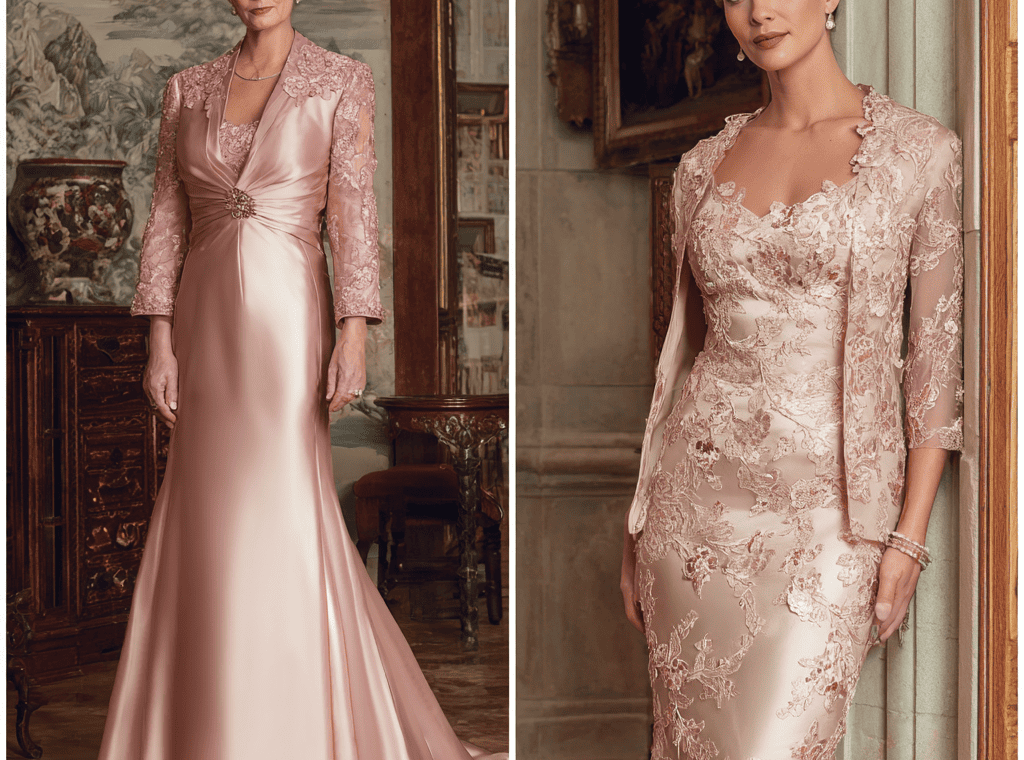
A Guide To Choosing A Mother Of The Bride Dress

The wedding day is a beautiful tapestry woven from the love of two families, and as the Mother of the Bride, you hold a cherished and central thread in that design. Your role is one of profound joy, pride, and graceful support. Choosing your dress for this momentous occasion is more than a personal style decision; it’s an opportunity to create a visual harmony that celebrates your family and complements the day’s aesthetic with elegance and warmth. The art lies not in matching, but in harmonizing—selecting a gown that feels uniquely you while beautifully aligning with the wedding party’s palette and style. For mothers seeking inspiration that balances personal expression with cohesive elegance, a wonderful starting point can be found in the curated collections at places like ditalia.com.au/dressmaker/mother-of-the-bride-dresses/, which showcase how to achieve that perfect, polished balance.
The Heart Of Harmony: Understanding Your Role
 Before delving into color palettes and fabrics, it’s helpful to frame your choice with intention. As Mother of the Bride, your dress should reflect the honor of your role. You are a pillar of the day, a guiding light for your child, and a hostess celebrating the union. Your attire should make you feel confident, comfortable, and radiant. The goal is to choose a gown that allows you to shine in your own right while ensuring the wedding photographs look cohesive and considered for generations to come. This is a collaborative, joyful process that begins with a simple, positive conversation.
Step 1: The Joyful Collaboration – Connect With The Couple
The very first and most important step is to connect with the couple. This is not about seeking permission, but about sharing in their excitement and gathering key information to inform your choice. A positive chat can cover wonderful details:
-
The Wedding Palette: Ask about the wedding’s color scheme. Are the bridesmaids in emerald green, dusty blue, or terracotta? Knowing this allows you to choose a color that complements without blending in.
-
The Formality & Theme: Is the wedding a black-tie ballroom affair, a rustic garden party, or a breezy beach ceremony? Understanding the venue and theme ensures your dress feels perfectly suited to the setting.
-
The Bridal Gown Style: While you won’t see the bride’s dress beforehand (and shouldn’t ask to!), a general sense of its style—whether it’s bohemian lace, modern minimalist, or classic ballgown—can help you align your formality level.
This conversation sets a foundation of mutual respect and excitement, ensuring you feel like an integrated part of the celebration’s vision.
Step 2: The Art Of Color – Complementing, Not Matching
This is where your creativity and elegance truly come into play. The modern approach is to move away from directly matching the bridesmaids and instead select a hue that lives harmoniously within the wedding’s color story.
-
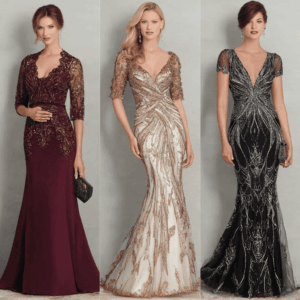
Elegant Neutrals: You can never go wrong with sophisticated neutrals. A gown in champagne, silver, taupe, navy, or slate grey provides timeless elegance and photographs beautifully alongside any bridesmaid color. These shades act as a graceful anchor in the palette.
-
Tonal Harmony: Choose a color that is a darker, lighter, or more muted version of the bridesmaid dresses. If the bridesmaids are in blush, you might select a beautiful mauve or a deep rose. If they are in navy, a softer dove grey or a blue-toned lavender would be stunning.
-
Complementary Hues: For a more vibrant wedding palette, look to the color wheel. If the bridesmaids are in emerald green, a deep plum or rich burgundy can be gorgeous. If they are in terracotta, consider an olive green or a warm gold. The key is that the colors sit beautifully together without competing.
-
The “Mother’s Palette”: It’s also perfectly acceptable—and often encouraged—for the mothers to have their own complementary palette. The Mother of the Bride and Mother of the Groom might coordinate in different shades that work together and with the wedding colors, such as one in a metallic and one in a jewel tone.
Step 3: Harmonizing With Style And Silhouette
While your dress should reflect your personal taste, aligning its general style with the wedding’s formality ensures a cohesive look.
-
Formality Follows: Let the wedding’s dress code guide your silhouette and fabric choice. A formal cathedral wedding calls for a full-length gown in luxurious fabric like lace, beaded chiffon, or silk. A garden party might invite a chic tea-length dress or an elegant pantsuit in a lighter fabric.
-
Detail Dialogue: You can harmonize through subtle stylistic echoes. If the bridesmaids’ dresses feature delicate lace sleeves, you might choose a gown with a lace overlay or bodice. If the wedding has a vintage theme, you could select a dress with art-deco beading or a classic silhouette. The connection should feel intuitive, not identical.
-
The Power Of Fabric And Finish: The quality of your fabric makes a significant difference. Luxurious materials like silk satin, chiffon, crepe, and quality lace drape beautifully, feel wonderful, and photograph with a high-end elegance that naturally complements the bridal party’s attire.
Step 4: The Final Touch – Confidence And Joy
The most important element you bring to your ensemble is your own radiant confidence. When you feel beautiful, comfortable, and happy in your dress, that positivity becomes your greatest accessory. Choose a silhouette that flatters your figure, a length you can move in comfortably, and a style that makes you feel like the celebrated mother you are.
Remember, your role is to complement and celebrate. By approaching your dress selection with a spirit of collaboration, a keen eye for color harmony, and a commitment to your own comfort, you will find the perfect gown. It will be a dress that allows you to stand proudly beside your child, a beautiful and integral part of the family portrait, harmonizing perfectly with the love and joy of the day.


